

ANZAC Day, held on 25 April each year, is one of the most significant commemorations in Australia and New Zealand. It marks the anniversary of the 1915 Gallipoli landing, where Australian and New Zealand Army Corps (ANZAC) troops saw their first major military action during World War I.
What began as a day to honour those who served at Gallipoli has grown into a broader day of remembrance for all Australian and New Zealand service personnel—past and present—who have served in wars, conflicts, and peacekeeping missions.
The ANZAC spirit, built on courage, endurance, and mateship, continues to shape our national identity. For veterans and their families, ANZAC Day is more than a ceremony. It’s a chance to reflect, reconnect, and make sure the stories of those who’ve served are not forgotten.
Key takeaways
- ANZAC Day honours all who have served, from Gallipoli to modern-day peacekeeping, reflecting the courage and mateship that define Australia’s military legacy.
- For veterans, it’s a time to reconnect and reflect, offering space for recognition, shared stories and support among those who’ve served.
- Community traditions like dawn services and marches keep the ANZAC spirit alive and give Australians a way to show their respect and gratitude.
- Education plays a central role in preserving the legacy, helping younger generations understand the meaning behind the day and why it continues to matter.
The Historical Significance of ANZAC Day
The Gallipoli Campaign (1915)
On 25 April 1915, ANZAC troops landed on the shores of Gallipoli, Turkey, as part of an Allied strategy to open a new front against the Ottoman Empire during World War I. The campaign was intended to secure a direct route to Russia by gaining control of the Dardanelles Strait. However, the harsh terrain, strategic miscalculations, and fierce Ottoman resistance led to a prolonged and costly stalemate.
Despite the campaign’s ultimate failure, the soldiers who fought there displayed extraordinary resilience in the face of overwhelming challenges. The conditions were brutal—scorching heat, disease, lack of supplies, and relentless enemy fire—yet the ANZAC troops persevered. Their determination and unity forged a national identity, embedding the ANZAC legend deeply into Australian and New Zealand history.
Gallipoli was not just a military campaign; it was a defining moment for both nations, marking their emergence on the global stage and solidifying their reputations as tenacious and courageous. Though thousands of lives were lost, the legacy of those who fought at Gallipoli has lived on, shaping how Australians remember and honour their servicemen and women.
Expansion Beyond Gallipoli
While ANZAC Day started as a tribute to Gallipoli veterans, it has grown to recognise all who’ve served in the Australian Defence Force—across both World Wars, Korea, Vietnam, Iraq, Afghanistan, peacekeeping missions, and more.
Today, it stands as a collective moment to remember the sacrifices, challenges, and achievements of more than 1.5 million Australians who have worn the uniform.
ANZAC Day Traditions
Dawn Service
One of the most solemn and revered traditions of ANZAC Day is the dawn service, held in cities, towns, and rural communities across Australia and New Zealand. The tradition began in the 1920s as a way for returned soldiers to honour their fallen comrades and has since grown into a nationwide observance attended by thousands each year.
The dawn service follows a set structure, rich in symbolism and tradition:
- Catafalque Party – A ceremonial guard stands watch around a memorial, representing eternal vigilance over the fallen.
- Prayers and Readings – Clergy, veterans, and officials deliver reflections on the sacrifices made in service to the nation.
- The Last Post – A lone bugler plays this haunting melody, signalling the end of duty for those who have served.
- Minute of Silence – A moment of reflection to honour the fallen.
- Reveille or Rouse – A second bugle call, signifying the continuation of life and service.
- Wreath-Laying – Dignitaries, veterans, and members of the public place floral wreaths at war memorials as a mark of respect.
Attending a dawn service is often regarded as a deeply personal and emotional experience, reminding Australians of the sacrifices made by those who served and the enduring values of the ANZAC spirit.
ANZAC Day March
Following the dawn service, ANZAC Day marches take place across the country, allowing veterans, their families, and descendants to walk together in remembrance. The march provides an opportunity for communities to publicly acknowledge the service and sacrifice of past and present members of the ADF.
The march is open to all veterans, including those who have served in modern-day conflicts and peacekeeping missions. In many cases, family members of deceased veterans march in their honour, ensuring their legacy is preserved for future generations.
These marches foster a powerful sense of community and gratitude, with thousands of spectators lining the streets to cheer, wave flags, and express their appreciation. The RSL plays a vital role in organising these events, ensuring that ANZAC Day remains an inclusive and meaningful occasion for all.
The Role of ANZAC Day in the Veteran Community
Connection and Support
ANZAC Day is more than just a day of remembrance—it serves as a crucial point of connection for the veteran community. For many current and former servicemen and women, it is a rare opportunity to reunite with those they served alongside, sharing memories, experiences, and support.
The day also plays a key role in strengthening public awareness and appreciation of the contributions made by veterans. While many Australians may not have a direct personal connection to the military, ANZAC Day encourages the wider community to engage with veterans’ stories, fostering respect and understanding of their sacrifices.
Organisations such as the RSL actively promote veteran wellbeing, using ANZAC Day as a platform to advocate for better support services, increased recognition, and policies that address the unique challenges faced by those who have served.
Challenges Faced by Veterans
Despite the national respect afforded to veterans on ANZAC Day, many continue to face significant challenges, particularly regarding their physical and mental health.- Mental Health Struggles – Many veterans experience post-traumatic stress disorder (PTSD), depression, and anxiety as a result of their service. The transition to civilian life can also be difficult, leaving some feeling isolated or disconnected from the community.
- Physical Injuries – A high proportion of veterans live with service-related injuries or chronic pain, requiring ongoing medical and rehabilitation support.
- Homelessness and Financial Hardship – Some veterans struggle with employment post-service, leading to financial insecurity and, in some cases, homelessness.
Community engagement plays a critical role in addressing these challenges. Initiatives such as RSL support services, Open Arms (Veterans & Families Counselling), and veteran employment programs help former ADF personnel reintegrate into civilian life.
ANZAC Day serves as a reminder of the debt owed to those who have served and a call to action for continued support. By attending services, engaging with veterans, and supporting advocacy efforts, Australians can ensure that the sacrifices of the past are honoured—not just on ANZAC Day, but every day of the year.
If you are a veteran facing struggles or conditions as a result of your service, you may be entitled to compensation. Our VetComp team is here to assist you with your claims.
The Modern Significance of ANZAC Day
As time moves forward, the significance of ANZAC Day continues to resonate across generations, ensuring that the stories of past and present servicemen and women are not forgotten. While the original ANZACs have long since passed, their legacy endures, and younger Australians are increasingly engaging with ANZAC Day in meaningful ways.
One of the most notable shifts in recent years has been the growing emphasis on education, reflection, and storytelling. Schools across Australia incorporate ANZAC-themed lessons, history projects, and commemorative activities to help students understand the sacrifices made by those who have served. Many young Australians attend dawn services and marches alongside their families, developing a personal connection to the ANZAC spirit.
Social media and digital platforms have also played a role in keeping ANZAC Day relevant to younger generations. Online archives, interactive history resources, and personal accounts from veterans are now more accessible than ever, allowing people to explore Australia’s military history in a dynamic and engaging way.
This renewed engagement ensures that ANZAC Day is not just a historical event but a living tradition, where each generation finds new ways to honour those who served.
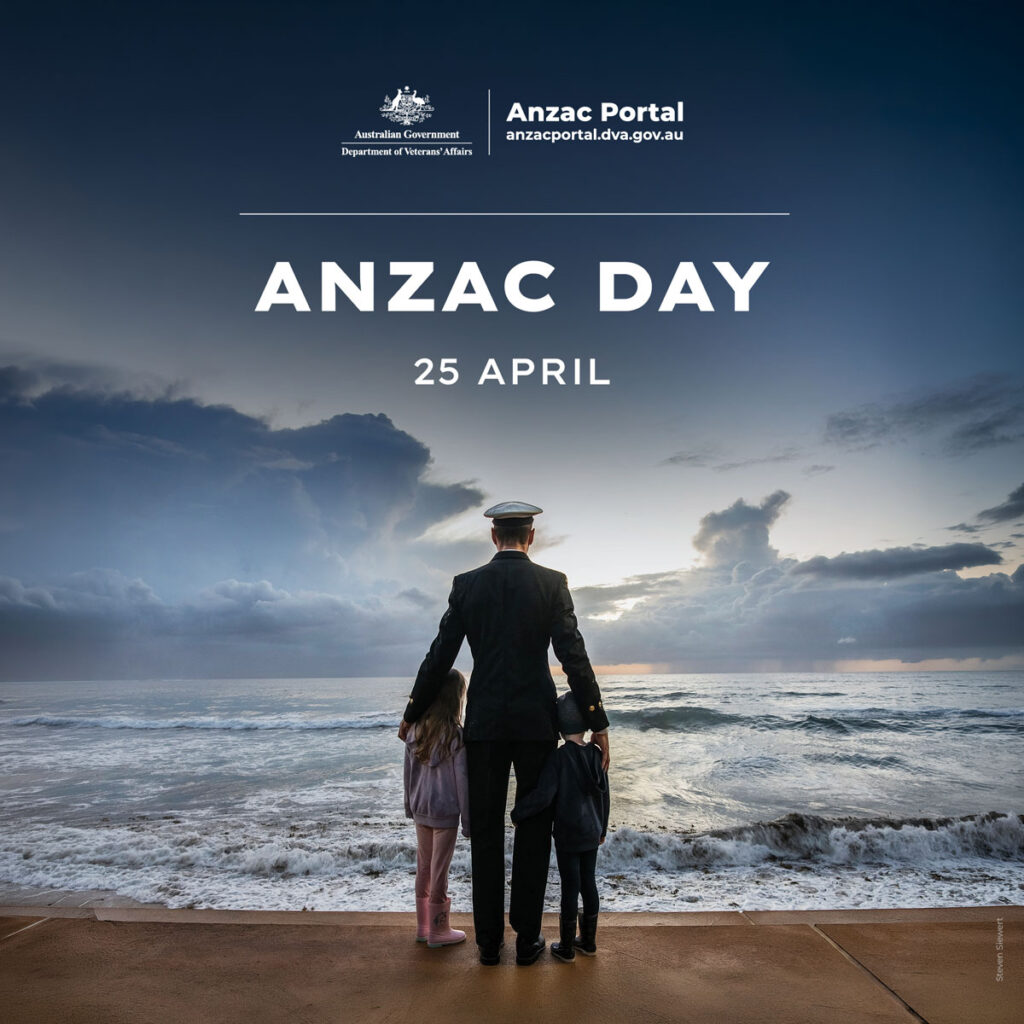
Educational Initiatives and Legacy
Education plays a critical role in preserving the legacy of ANZAC Day and ensuring that younger generations appreciate the sacrifices of those who have served. Schools, universities, and community groups have developed a range of programs and initiatives to teach the history and significance of ANZAC Day in an engaging and accessible manner.
Key educational initiatives include:
- ANZAC-themed school curriculums – Many Australian schools incorporate lessons on the Gallipoli campaign, the broader impact of World War I, and Australia’s involvement in later conflicts.
- Student competitions and scholarships – Programs such as the ANZAC Day Schools’ Awards encourage students to research and reflect on ANZAC history through essays, art, and multimedia projects.
- Interactive online resources – Websites like the ANZAC Portal (DVA) provide videos, virtual tours, and digital archives, making military history more engaging for young Australians.
- Excursions and battlefield tours – Some schools and organisations offer opportunities for students to visit significant historical sites such as Gallipoli, the Western Front, and Kokoda, deepening their understanding of Australia’s military heritage.
By encouraging education and reflection, these programs help pass the ANZAC spirit on to future generations. They remind young Australians why we remember—and why it matters.
Carrying the ANZAC Legacy Forward
ANZAC Day remains one of Australia’s most significant national commemorations. What began as a tribute to those who served at Gallipoli has grown into a broader reflection on service, sacrifice, and shared history. It connects the past to the present, while carrying the meaning of service into the future.
For veterans, ANZAC Day is a time to reconnect, be recognised, and reflect. For the wider community, it’s a chance to show gratitude, learn from those who served, and keep their stories alive.
As each new generation takes part in dawn services, school commemorations, and marches, it becomes clear that remembrance isn’t just about looking back—it’s about moving forward with respect. Through education, community support, and shared moments of reflection, the ANZAC legacy continues to live on.
We're here to help
Veterans are often facing various physical and mental challenges as a result of their service. Reach out to our team today to find out how we can help you get the recognition and compensation you deserve.
FAQs
We’ve gathered our most commonly asked questions here, so you can feel informed, at ease, and ready to take the next step toward the support and benefits you deserve.
Why is ANZAC Day held on April 25 and not on another date?
ANZAC Day is observed on April 25 to mark the date in 1915 when ANZAC troops first landed at Gallipoli. It was chosen shortly after the campaign began, and the date has remained symbolic ever since—representing not just the Gallipoli landings, but the beginning of Australia and New Zealand’s involvement in global conflict.
Can non-veterans or families of veterans participate in ANZAC Day marches?
Yes, absolutely. Many ANZAC Day marches welcome family members of deceased or living veterans to march on their behalf. Participation by descendants and community members helps honour the legacy of service and ensures it continues through generations.
What is the significance of wearing rosemary on ANZAC Day?
Rosemary has long been associated with memory and remembrance. It grows wild on the Gallipoli Peninsula, making it especially symbolic. Australians often wear a sprig of rosemary on their lapel on ANZAC Day as a sign of respect and remembrance.
Is ANZAC Day a public holiday across all of Australia?
Yes, ANZAC Day is a national public holiday observed in every Australian state and territory. However, local regulations around trading hours and commemorative events can vary slightly, so it’s best to check what’s happening in your area.
How can schools and young people get involved in ANZAC Day commemorations?
Schools often hold their own services or participate in local community events. Students may also enter essay competitions, attend dawn services, or take part in history projects. Many schools use resources from DVA to educate students on the significance of the day.
What are some respectful ways to commemorate ANZAC Day at home?
You can commemorate ANZAC Day at home by observing the minute of silence at dawn, lighting a candle in your driveway (a tradition that grew during COVID-19), watching televised services, sharing stories of veterans in your family, or donating to veteran charities.